Removing Lichen and Moss from Outdoor Tiles the Right Way
If you own a home in Townsville, you have probably noticed dark patches, green fuzz or crusty grey-orange spots creeping across your patio, pool surrounds, paths or entry steps. Our tropical dry climate swings between a humid, wet season and a long dry spell, and that combination gives lichen and moss plenty of opportunities to settle in, especially on shaded or south-facing tiles. Removing them properly protects your tiles, keeps your outdoor areas safe to walk on and helps your home look its best. This guide explains what you are dealing with, how to clean it safely and how to stop it returning.
Understanding Lichen and Moss
Although they often appear together, lichen and moss are quite different, and knowing which one you have helps you choose the right method.
What Is Moss?
Moss is a small green plant that forms soft, velvety cushions. It thrives in damp, shaded spots where water lingers, such as tile joints, under trees, beside downpipes and along covered verandah edges. Moss holds moisture against the surface, which keeps tiles slippery and can gradually work into grout lines.
What Is Lichen?
Lichen is a partnership between a fungus and an alga. It appears as flat, crusty patches in grey, green, yellow or orange, and it grips the tile surface tightly. Because it bonds so firmly, lichen is generally harder to remove than moss and often needs a combination of treatment and patient scrubbing.
Why Townsville Tiles Are Prone to Growth
Several local factors contribute to the problem:
- Wet season humidity: Months of warm, moist air and heavy downpours keep surfaces damp long enough for spores to establish.
- Shaded areas: Spots under mango trees, eaves, pergolas and shade sails stay cooler and wetter.
- Porous or textured tiles: Unglazed, honed and natural stone tiles hold moisture and give growth something to cling to.
- Poor drainage: Slightly sunken tiles and blocked drains allow water to pool.
- Organic debris: Leaves, dust and soil on the surface act as food for moss and lichen.
Before You Start: Check Your Tile Type
The right cleaning method depends heavily on what your tiles are made of. Using the wrong product can etch, discolour or damage the surface permanently.
- Glazed porcelain and ceramic: Tough and forgiving. They handle most cleaners and moderate scrubbing.
- Unglazed porcelain and terracotta: Porous, so they can absorb cleaning solutions and stain. Test first and rinse thoroughly.
- Natural stone (travertine, limestone, sandstone, granite): Acidic cleaners and harsh chemicals can etch or dull limestone and travertine. Use only stone-safe, pH-neutral or manufacturer-recommended products.
- Concrete and pavers: Generally durable, though sealed surfaces may lose their sealer if cleaned aggressively.
Always test your chosen method on a small, inconspicuous area first and wait for it to dry so you can see the true result.
Safety and Environmental Considerations
Wet tiles are slippery, and cleaning products can irritate skin and eyes, so a little preparation goes a long way. Wear non-slip shoes, rubber gloves and eye protection. Never mix different cleaning products, particularly bleach with vinegar or ammonia-based products, as this can release dangerous gases. Work in well-ventilated areas and keep children and pets away until surfaces are rinsed and dry.
Think about where your runoff goes. Water from cleaning outdoor areas can flow into stormwater drains, which lead to local creeks and ultimately the marine environment, including Cleveland Bay. Avoid letting strong chemicals enter drains, protect nearby garden beds and choose biodegradable or low-impact products where possible. Council guidelines and water restrictions can also apply, so check current requirements before using large amounts of water.
Step-by-Step Removal Method
For most household tiles, a gentle approach works best. Start with the mildest option and only step up if needed.
- Clear the area. Move furniture and pots, then sweep away leaves, dirt and loose debris.
- Pre-wet nearby plants. Lightly watering surrounding garden beds helps protect them from cleaning solution overspray.
- Apply your cleaning solution. Use a suitable moss and lichen cleaner, an oxygen bleach (sodium percarbonate) solution mixed to the label directions, or a diluted sodium hypochlorite solution on tiles that can tolerate it. Apply evenly with a low-pressure sprayer or watering can.
- Allow dwell time. Let the solution sit for the time recommended on the product label, typically 10 to 30 minutes. Do not let it dry on the surface, and re-wet lightly if needed.
- Scrub gently. Use a stiff nylon-bristle broom or brush. Avoid wire brushes, which can scratch tiles and leave rust marks.
- Rinse thoroughly. Wash away loosened growth and all residue with clean water, directing runoff onto lawn or garden areas where appropriate rather than into drains.
- Repeat for stubborn patches. Lichen may need a second treatment, and some products continue to work over several days as the growth dies off and fades.
Using a Pressure Washer Safely
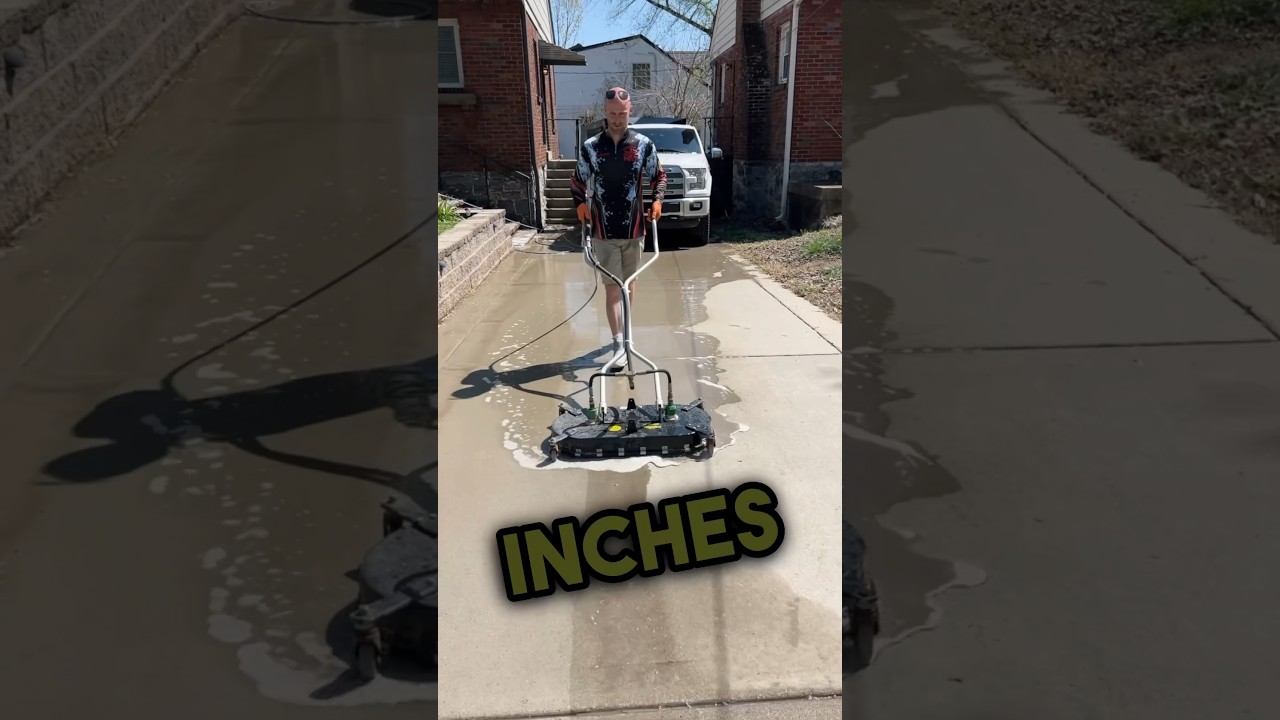
Pressure washing is popular because it is fast, but it can do real damage if used carelessly. High pressure can erode grout, strip sealers, roughen the face of softer tiles and force water beneath tiles. If you use one, choose a wide fan tip, keep the nozzle at a sensible distance from the surface and stay on the lower end of the pressure range. Many professionals prefer a soft-wash approach, which combines low pressure with a suitable treatment solution to kill growth at the root rather than blasting it off. Natural stone and older or loose tiles are best treated with soft washing or hand scrubbing only.
Common Mistakes to Avoid
- Using acid on the wrong surface: Acidic cleaners can permanently etch natural stone and damage grout.
- Applying too much pressure: Aggressive blasting leaves marks and shortens the life of your tiles and sealer.
- Skipping the rinse: Leftover residue can leave streaks, attract dirt and harm plants.
- Cleaning in direct midday sun: Solutions dry too quickly and can stain. Early morning or late afternoon is better in Townsville's heat.
- Ignoring the cause: Without fixing the moisture and shade problem, growth will return quickly.
Preventing Lichen and Moss from Coming Back
Once your tiles are clean, a few simple habits keep them that way for much longer.
Improve Sunlight and Airflow
Trim back overhanging branches and thin out dense shrubs near paved areas so sunlight and breezes can dry the surface after rain. Even a small increase in sun exposure can make a noticeable difference.
Fix Drainage Problems
Clear gutters, check downpipes and make sure tiles fall away from walls so water runs off instead of pooling. Repair any leaking taps, irrigation or air conditioning drain lines that keep one area permanently damp.
Sweep and Wash Regularly
A weekly sweep and a periodic rinse or light scrub removes the dust and organic matter that growth feeds on. Doing a quick maintenance clean before the wet season starts can help prevent a heavy build-up.
Seal Porous Tiles
A quality penetrating sealer reduces water absorption and makes porous tiles and grout harder for moss and lichen to grip. Make sure the surface is completely clean and dry before sealing, and reapply according to the manufacturer's recommendations.

Use a Preventative Treatment
Some outdoor treatments leave a residual effect that slows regrowth. Applying one after cleaning, following label directions, can extend the time between major cleans.
When to Call a Professional
DIY cleaning suits small areas and light growth, but there are times when calling a local professional is the smarter choice. Consider getting help if you have large or multi-level areas, delicate natural stone, heavily established lichen that keeps returning, or tiles in elevated or hard-to-reach locations where slips are a real risk. A professional can identify the tile type, choose the correct treatment, use soft-wash equipment and apply sealers properly, helping you avoid costly damage.
Final Thoughts
Removing lichen and moss from outdoor tiles is not just about appearance. It makes surfaces safer underfoot and helps preserve your tiles and grout for years. Identify your tile type, choose gentle methods first, protect your garden and local waterways, and address the shade and moisture issues that fuel growth. With the right approach and regular maintenance, your Townsville patio, pool area and pathways can stay clean, safe and welcoming through wet seasons and dry seasons alike https://pressurewashingtownsville.com.au/ in 2026 and well beyond.
Pressure Washing Townsville
(07) 4801 0339